Bagged Salads Cyclospora Outbreak – Aldi, Hy-Vee, and Jewel-Osco Implicated
Late Friday, the CDC and FDA announced their investigations into a Cyclospora outbreak linked to bagged salads. No formal FDA recall has been made at this time. For those of you who eat salads purchased from Aldi, Hy-Vee, and Jewel-Osco, you may want to go check your fridge. Your salad mix may be involved in this Bagged Salads Cyclospora Outbreak.
The Outbreak
According to the announcement:
“[We are] investigating a multistate outbreak of Cyclospora illnesses potentially linked to ALDI Little Salad Bar Brand Garden Salad from ALDI grocery stores, Hy-Vee Brand Garden Salad from Hy-Vee grocery stores, and Signature Farms Brand Garden Salad from Jewel-Osco.
Although the investigation is ongoing, CDC’s analysis of epidemiologic information indicates that these bagged salads from ALDI, Hy-Vee and Jewel-Osco grocery stores are a likely cause of the illnesses. FDA has initiated a traceback investigation to determine supplier and distributor information to find the cause and source of the outbreak.”
Outbreak Stats
So far, the FDA reports there are 76 confirmed cases in 6 states: Iowa (28), Illinois (23), Kansas (1), Minnesota (10), Missouri (7), and Nebraska (7). Of these, 16 people have been hospitalized.

As with most outbreaks of this kind, it is likely that the outbreak statistics and states involved will rise. This is due to the time it takes for someone to get sick, seek medical attention, report their illness, and for that information to make it to the CDC, which can take several weeks.
When conducting interviews, the CDC noted that:
- At least 20 people in this cluster shopped at ALDI – 16 (80%) specifically reported purchasing bagged salad mix
- Among those who remembered the specific name of the product, most remembered the Little Salad Bar Brand Garden Salad
- At least 37 people in this cluster shopped at Hy-Vee – 16 (43%) specifically reported purchasing bagged salad mix from Hy-Vee
- Among those who remembered the specific name of the product, most reported the Hy-Vee Brand Garden Salad
- At least 6 people in this cluster shopped at Jewel-Osco – 5 (80%) people specifically reported purchasing bagged salad mix from Jewel-Osco
- Among those who remembered the specific name of the product, most reported the Signature Farms Brand Garden Salad
But even with these interviews, it is important to note that the bagged salad mixes from ALDI, Hy-Vee, and Jewel-Osco do not explain all of the illnesses in this outbreak. It is likely that there are other brands, mixes, or stores involved, too. The CDC and FDA are continuing their investigation.
Illness Timing
At this time, illness onsets appear to be from May 11, 2020 through June 14, 2020.

But again, these dates are likely to change as more cases are linked to the outbreak.
Salad at Home?
Curious of the salad you have at home is part of the outbreak? Here are some helpful product photos to help you check:
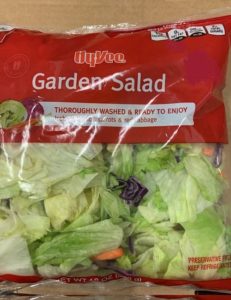
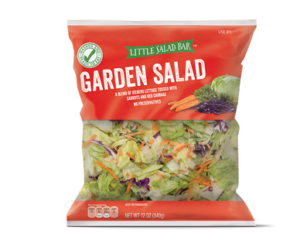
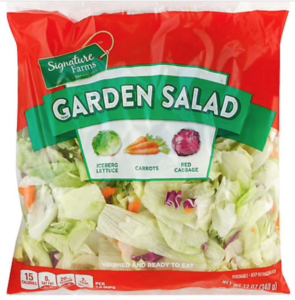
For more photos and product additions to this outbreak, you can visit the FDA’s page here.
Yesterday, Jewel-Osco recalled its Signature Farms Garden Salad from its Illinois, Indiana and Iowa locations. The recalled bagged salads were sold in 12-ounce bags in the grocery store’s produce department and stated they would best if used by May 16 through July 4, Jewel-Osco explained. The product had a UPC code of 21130 98135 and a plant number of S5417.
About Cyclospora
Cyclospora is a parasite. It needs a host to complete its life cycle. Once the parasite has found its way into your gut, it can grow to maturity and release its oocysts — tiny, hardened capsules that are akin to eggs. They then pass out of the body in feces, at which point they wait to be ingested so that the cycle can continue. So far, the only confirmed hosts for cyclospora are human beings. That means you need to ingest human feces, or water or produce that’s been contaminated with human feces, in order to contract the parasite.
Cyclospora needs about a week after it’s been passed out of the body in feces in order to become infectious. If you are infected with cyclospora, it usually takes about a week for symptoms to appear. Here’s what the CDC has to say about what you can expect once you’ve been infected: “watery diarrhea, with frequent, sometimes explosive, bowel movements. Other common symptoms include loss of appetite, weight loss, stomach cramps/pain, bloating, increased gas, nausea, and fatigue. Vomiting, body aches, headache, fever, and other flu-like symptoms may be noted. Some people who are infected with Cyclospora do not have any symptoms.”
Cyclospora FAQs
Does Cyclospora go away on its own?
That is a tricky question. The general answer is that it can, but the concern runs into how long one is sick. For example, those who have prolonged illnesses tend to see a cycle where they get better for a bit and get sick again. This is because you essentially are “reinfecting” yourself as the parasite lives its life cycle. Because illnesses can last weeks – or even months – medical attention is recommended to help kill the parasite.
How long does Cyclospora last?
As mentioned above, that depends on if it gets treated. Some illnesses can last a few weeks, others can last months.
How is Cyclosporasis treated?
Most physicians treat Cyclospora infections with antibiotics. Many doctors treat Cyclospora with the antibiotics trimethoprim-sulfamethoxazole, also known by their brand names, Bactrim, Septra, or Cotrim. People experiencing diarrhea should also rest and drink plenty of fluids.
If you are allergic to sulfa drugs, the CDC recommends that you see your doctor to discuss other potential treatments.
What happens if Cyclospora goes untreated?
It can lead to complications. Although Cyclosporiasis usually is not life threatening, some more severe cases have reported complications during and after the infection. These complications include: malabsorption (inability for intestines to absorb nutrients), ongoing bowel issues, cholecystitis (inflammation of the gallbladder), and Reiter’s Syndrome or Reactive Arthritis (inflammation and pain in joints). Those who are elderly, very young, or have compromised immune systems are the most likely to develop reoccurrence of the infection and/or complications.
What food is Cyclospora usually found in?
In the United States, foodborne outbreaks of Cyclosporiasis have been linked to various types of imported fresh produce, such as raspberries, basil, snow peas, mesclun lettuce, and cilantro; no commercially frozen or canned produce has been implicated to date.
How do I know if I have Cyclospora?
According to the CDC, it usually takes about one week for symptoms to develop. Cyclosporiasis causes watery diarrhea. Frequent, and sometimes explosive, bowel movements are common. People may also experience lack of appetite, weight loss, stomach pain or cramps, increased gas, bloating, nausea, or fatigue. Vomiting, headaches, fever, body aches, and flu-like symptoms have also been reported. People often report feeling unusually tired.
Once I get Cyclospora, can I get it again?
Yes. Cyclospora is a parasite, not a virus. The body does not retain any immunity to the parasite, so having been infected before does not provide any protection for future infection.
The Lange Law Firm
Our mission is to help families who have been harmed by contaminated food or water. When corporations cause Cyclospora food poisoning outbreaks or Legionnaires’ disease outbreaks, we use the law to hold them accountable. The Lange Law Firm, PLLC is the only law firm in the nation solely focused on representing families in food poisoning lawsuits and Legionnaires disease lawsuits.
If you or your child was infected with Cyclospora or any other parasite and are interested in making a legal claim for compensation, we have a Cyclospora lawyer ready to help you. Call us for a free no obligation legal consultation at (833) 330-3663 or send us an e-mail here.
By: Candess Zona-Mendola, Editor
The post Bagged Salads Cyclospora Outbreak – Aldi, Hy-Vee, and Jewel-Osco Implicated appeared first on The Lange Law Firm.

Comments
Post a Comment